The Growing Popularity of Esports
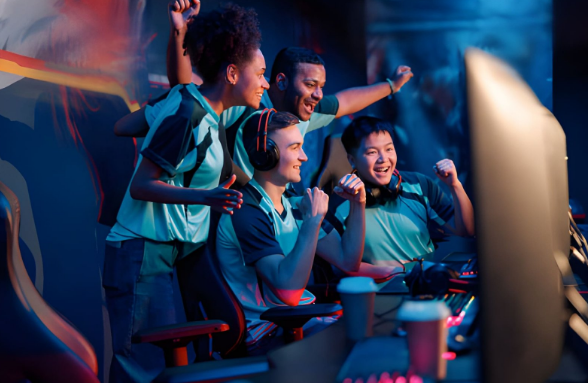
Esports, or competitive video gaming, has transformed from a niche hobby into a global entertainment industry. What was once limited to small gaming communities and local tournaments is now filling stadiums, attracting major sponsors, and reaching millions of viewers online. The growing popularity of esports reflects a major shift in how people consume entertainment, connect with communities, and participate in digital competition.
What Is Esports?
Esports refers to organized competitive X88 đăng nhập where professional players or teams compete in video games. These competitions often take place in popular titles such as *League of Legends*, *Counter-Strike 2*, *Dota 2*, *Fortnite*, *Valorant*, *Rocket League*, and *Call of Duty*. Like traditional sports, esports includes teams, coaches, leagues, tournaments, fans, sponsorships, and prize money.
The appeal of esports comes from its combination of skill, strategy, teamwork, and entertainment. Players must develop quick reflexes, deep game knowledge, communication skills, and mental focus to compete at the highest level.
Why Esports Is Growing So Quickly
One of the biggest reasons for the rise of esports is accessibility. Unlike many traditional sports that require physical fields, expensive equipment, or specific locations, esports can be played from almost anywhere with a gaming device and internet connection. This accessibility has helped competitive gaming reach a massive global audience.
Streaming platforms such as Twitch, YouTube Gaming, and Kick have also played a major role in esports growth. Fans can watch live tournaments, follow their favorite players, and interact with gaming communities in real time. This direct connection between players and fans has made esports feel more personal and engaging than many traditional forms of entertainment.
In addition, younger generations have grown up with video games as a normal part of everyday life. For many people, watching esports is just as natural as watching football, basketball, or soccer. As gaming culture becomes more mainstream, esports continues to attract new fans across different age groups and countries.
The Role of Streaming and Online Communities
Streaming has changed the way audiences experience competitive gaming. Instead of relying only on television networks, esports events are often broadcast online for free. This makes tournaments easy to access for viewers around the world.
Online communities are another key factor in the popularity of esports. Fans gather on platforms like Discord, Reddit, X, and TikTok to discuss matches, share highlights, support teams, and create content. These communities help keep esports active even when tournaments are not taking place.
Content creators and professional players also build strong fan bases by streaming practice sessions, posting tutorials, and sharing behind-the-scenes moments. This constant flow of content keeps audiences engaged and helps new viewers understand the games better.
Esports as a Professional Career
The rise of esports has created new career opportunities. Professional players can earn money through salaries, tournament winnings, sponsorships, streaming revenue, and merchandise sales. Top esports athletes often train for many hours each day, working with coaches, analysts, and support staff to improve performance.
However, esports careers are not limited to players. The industry also needs commentators, event organizers, marketers, video editors, game developers, social media managers, journalists, and team managers. As the esports industry expands, more people are finding ways to turn their passion for gaming into a profession.
Universities and colleges have also started to recognize esports. Many schools now offer esports scholarships, varsity teams, and academic programs focused on gaming, media, and digital entertainment. This adds legitimacy to esports and encourages more young people to see competitive gaming as a serious opportunity.
Major Esports Tournaments and Global Events
Large esports tournaments now attract millions of viewers worldwide. Events such as the *League of Legends World Championship*, *The International* for *Dota 2*, the *Valorant Champions Tour*, and the *Fortnite Champion Series* showcase the highest level of competitive gaming.
These tournaments often feature impressive production quality, including live commentary, advanced graphics, player interviews, opening ceremonies, and dramatic storylines. In many ways, esports events now resemble major traditional sporting events.
Prize pools can also be enormous. Some tournaments offer millions of dollars in rewards, making esports highly competitive and financially significant. The scale of these events demonstrates how far the industry has come in a relatively short time.
Brands and Sponsorships in Esports
Major brands have taken notice of esports’ rapid growth. Companies in technology, energy drinks, fashion, automotive, and finance now sponsor esports teams and events. These partnerships help organizations fund player salaries, training facilities, travel, and content production.
Sponsorships are important because they show that esports has become a valuable marketing platform. Brands want to reach younger, digitally connected audiences, and esports provides direct access to that demographic.
Gaming hardware companies also benefit from the popularity of esports. High-performance keyboards, mice, headsets, monitors, and gaming chairs are often promoted through professional teams and streamers. This connection between competitive gaming and consumer products continues to fuel industry growth.
The Future of Esports
The future of esports looks promising. As internet access improves and gaming technology becomes more advanced, competitive gaming will likely continue expanding. Mobile esports is especially important in regions where smartphones are more common than gaming PCs or consoles. Games like *PUBG Mobile*, *Mobile Legends*, and *Free Fire* have already built huge competitive scenes.
Virtual reality, augmented reality, and artificial intelligence may also influence the future of esports. These technologies could create new types of games, training tools, and viewing experiences. Fans may one day watch esports matches from virtual arenas or interact with live events in more immersive ways.
Traditional sports organizations are also becoming involved in esports. Many football, basketball, and racing teams have launched esports divisions, helping bridge the gap between physical and digital competition.
Challenges Facing the Esports Industry
Despite its success, esports still faces challenges. Player burnout is a major concern because professional gamers often practice for long hours under intense pressure. Maintaining physical health, mental well-being, and career stability is important for long-term success.
Another challenge is the need for consistent rules and regulations. Because esports includes many different games and publishers, the industry can be fragmented. Issues such as cheating, match-fixing, age restrictions, and fair contracts must be handled carefully.
Even with these challenges, esports continues to mature. Better player support, stronger tournament structures, and increased investment are helping the industry become more stable and professional.
Conclusion
The Đá gà X88 growing popularity of esports is changing the future of entertainment. Competitive gaming has become a global phenomenon, attracting players, fans, sponsors, schools, and media companies. With online streaming, passionate communities, major tournaments, and expanding career opportunities, esports is no longer just a hobby—it is a major industry.
As technology continues to evolve, esports will likely become even more popular and influential. Whether someone is a casual viewer, aspiring professional player, or dedicated fan, the world of esports offers excitement, competition, and community on a global scale.